
The rate of the UK’s price rises has fallen from 8.7 per cent to 7.9 per cent in the year up to June, according to the latest official figures.
The consumer price index measure of inflation showed a higher-than-expected fall – offering some relief to families struggling with the cost of living crisis.
While prices are still rising, the Office for National Statistics said the rate of increase had “slowed substantially” to its lowest annual level since March 2022.
The drop will also come as some relief to Rishi Sunak’s government and the Bank of England – with City forecasts predicting a decline to only 8.2 per cent.
While core inflation has fallen back after hitting a 30-year high in May, it is still well above the Bank’s official 2 per cent target – with further interest rate hikes expected in the months ahead in a bid to tame price rises.
Despite the better than expected figures, chancellor Jeremy Hunt said “we aren’t complacent and know that high prices are still a huge worry for families and businesses”.
Mr Hunt added: “The best and only way we can ease this pressure and get our economy growing again is by sticking to the plan to halve inflation this year.”
The ONS’ chief economist Grant Fitzner said food inflation had eased only slightly, with fall mainly driven by price drops for petrol and diesel.
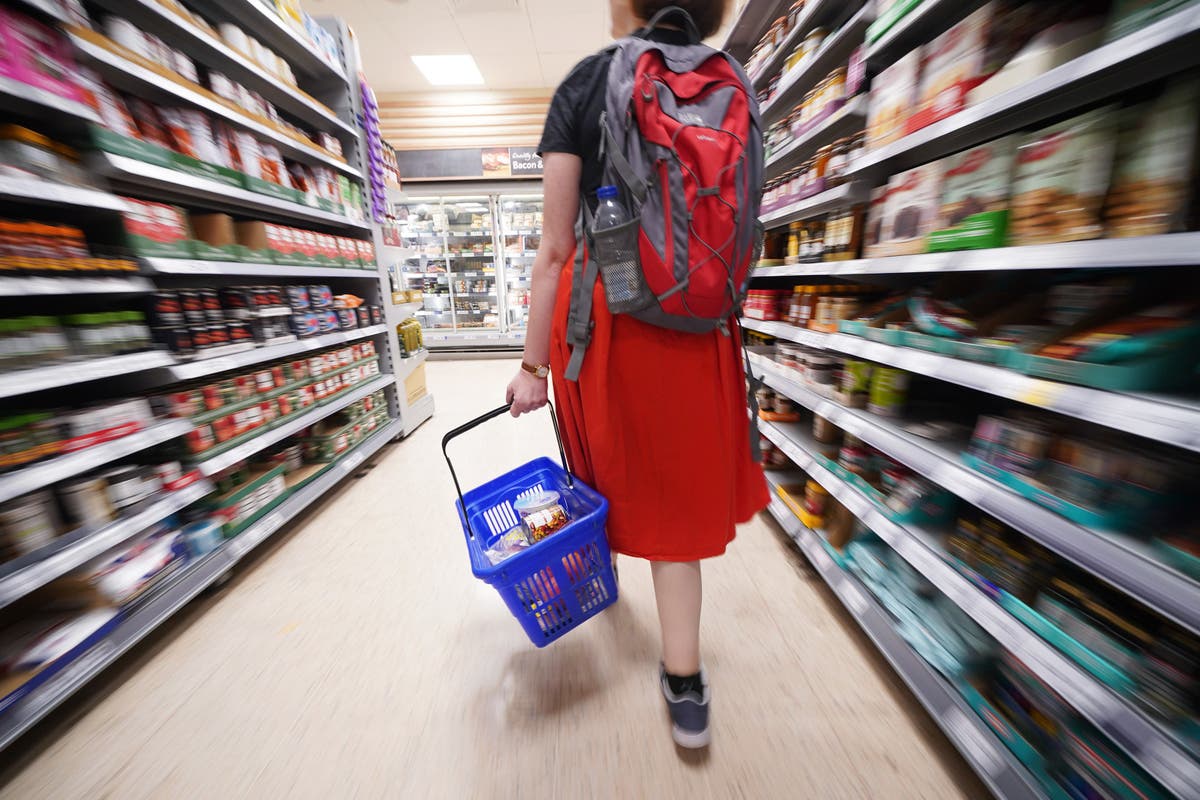
Inflation at the supermarket pared back to 17.3 per cent from 18.7 per cent in May, but items on the shelf remains painfully expensive for hard-pressed shoppers. “Food price inflation eased slightly this month, although it remains at very high levels,” said Mr Fitzner.
Inflation in the UK remains the highest in the G7 group of rich economies, and some financial experts have predicted that the Bank of England could increase the base rate beyond 6.5 per cent by early next year – pushing up mortgage rates and pressure on homeowners.
Labour’s shadow chancellor Rachel Reeves said inflation being higher than international peers was a “hallmark of Tory economic failure” – saying families knew prices are “still going up at staggering rates and that they’re bearing the brunt of those costs”.
She added: “There may be global shocks – but Britain is so exposed to those because of Tory economic failure that has led to a severe lack of security in our economy.”
The Lib Dems’ Treasury spokesperson Sarah Olney said the figures would be “cold comfort to countless families worried about their mortgage going up”.
Energy security secretary Grant Shapps told Times Radio that inflation remained “far too high” but that it was “moving in the right direction”. He claimed government’s cost of living support was “starting to pay dividends”.
The ONS’ chief economist said costs facing manufacturers remain elevated “especially for construction materials and food items”, but the pace of growth has fallen across the last year, with the overall cost of raw materials falling for the first time since late 2020.
More follows…