
Tens of thousands of women in Iceland are due to take part in the country’s first day-long strike in almost 50 years to raise awareness of gender-based violence and the gender pay gap.
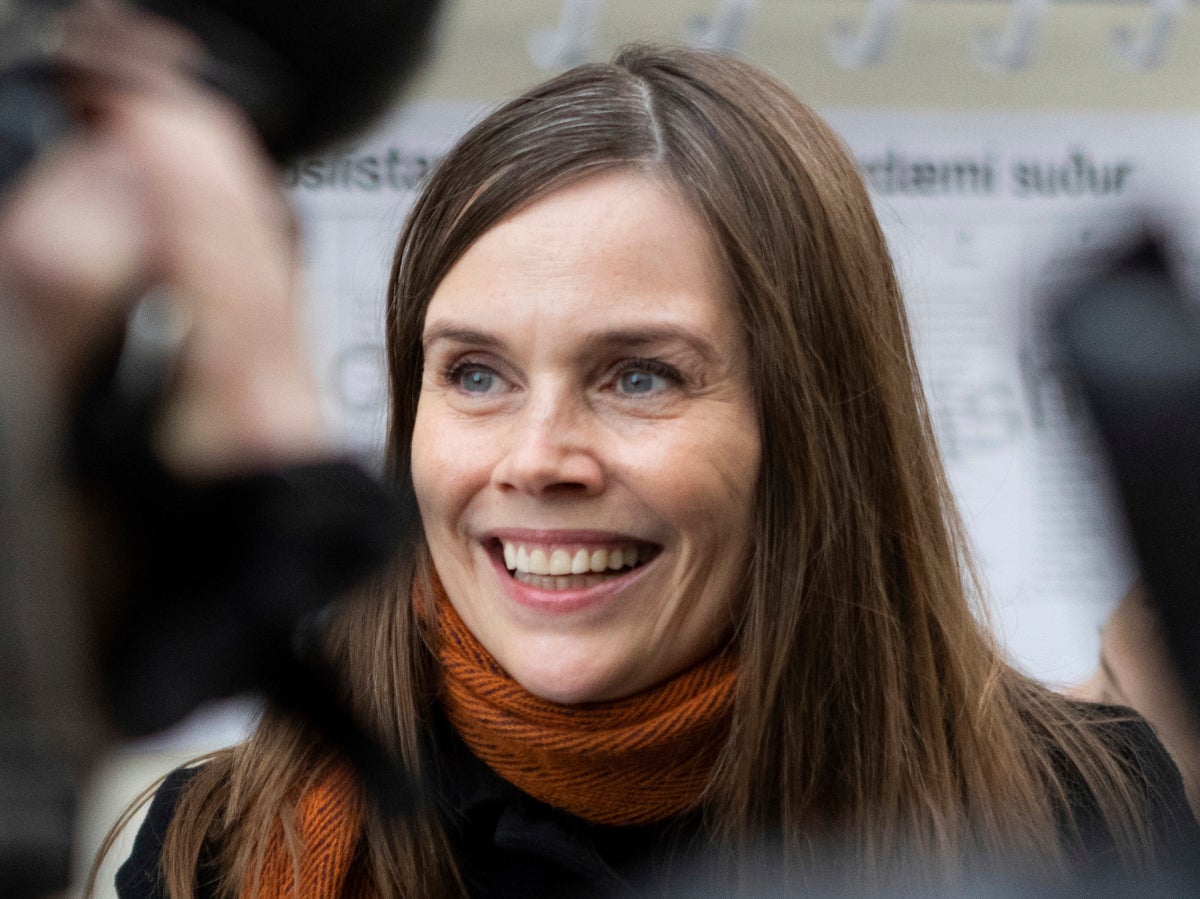
Katrin Jakobsdottir, Iceland’s prime minister, will participate in the protest which will involve women and non-binary people stopping paid and unpaid labour on Tuesday.
Workers from a range of sectors have said they will take part in the women’s strike which is the first day-long protest since 1975 when women also downed tools and stopped work.
Sonja Yr Porbergssdottir, chair of the Icelandic Federation for Public Workers, told The Independent: “Workers from all major industries are taking part; healthcare workers, teachers, service workers, finance workers, care workers, energy workers etc.
“We also expect women and non-binary people on parental leave, the elderly, disabled people and others outside of the labour market to participate.”
She said it is hard to gauge how many people will participate but explained over 25,000 women took part in the 1975 strike and they are hoping to beat this.
“The support of the women’s strike is widespread, schools are being closed, health services will be at the bare minimum and major companies have made statements about support so it will be a major event in any case,” she added.
Ms Porbergssdottir noted “significant strides” have been made since the 1975 strike but warned women still earn 21 per cent less than men.
“Occupations traditionally associated with women are consistently undervalued and underpaid,” she added. “Sectors such as cleaning, childcare, and caregiving are some of the lowest paid in society, disproportionately affecting women. Furthermore, women still bear the primary responsibility for childcare, perpetuating inequality.”
( Snorri Zophoniasson/Iceland Women’s Archives)
Ms Porbergssdottir said the strike also seeks to raise awareness of gender-based violence as she warned transgender people, women with disabilities, and women of colour endure higher levels of violence.
The original protest, dubbed “Women’s Day Off” or “Kvennafrí” in Icelandic language, brought the nation to a standstill due to women refusing to work, do childcare, or cook.
Some 90 per cent of Icelandic women are estimated to have stopped work for the day – with schools shut down and flights cancelled due to a dearth of staff.
While children were brought to work by their fathers due to a lack of childcare. The protest triggered far-reaching change in the country – with Iceland subsequently electing the first woman to be an elected president in the world and rolling out its first Gender Equality Act.
BSRB, the country’s biggest federation of public worker unions, as well as 31 associations, are taking part in the strike, according to local publication Mbl.is.
“First and foremost, I am showing solidarity with Icelandic women with this,” the country’s PM told the news outlet.
The protest’s organisers want the strike to raise awareness of sexual violence and domestic abuse as well as the undervaluing of sectors where women are over-represented. Campaigners hope more people will take part in Tuesday’s protest than those who took part in the 1975 strike.
The World Economic Forum recently declared Iceland as the world’s most gender-equal nation for the 14th year in a row.